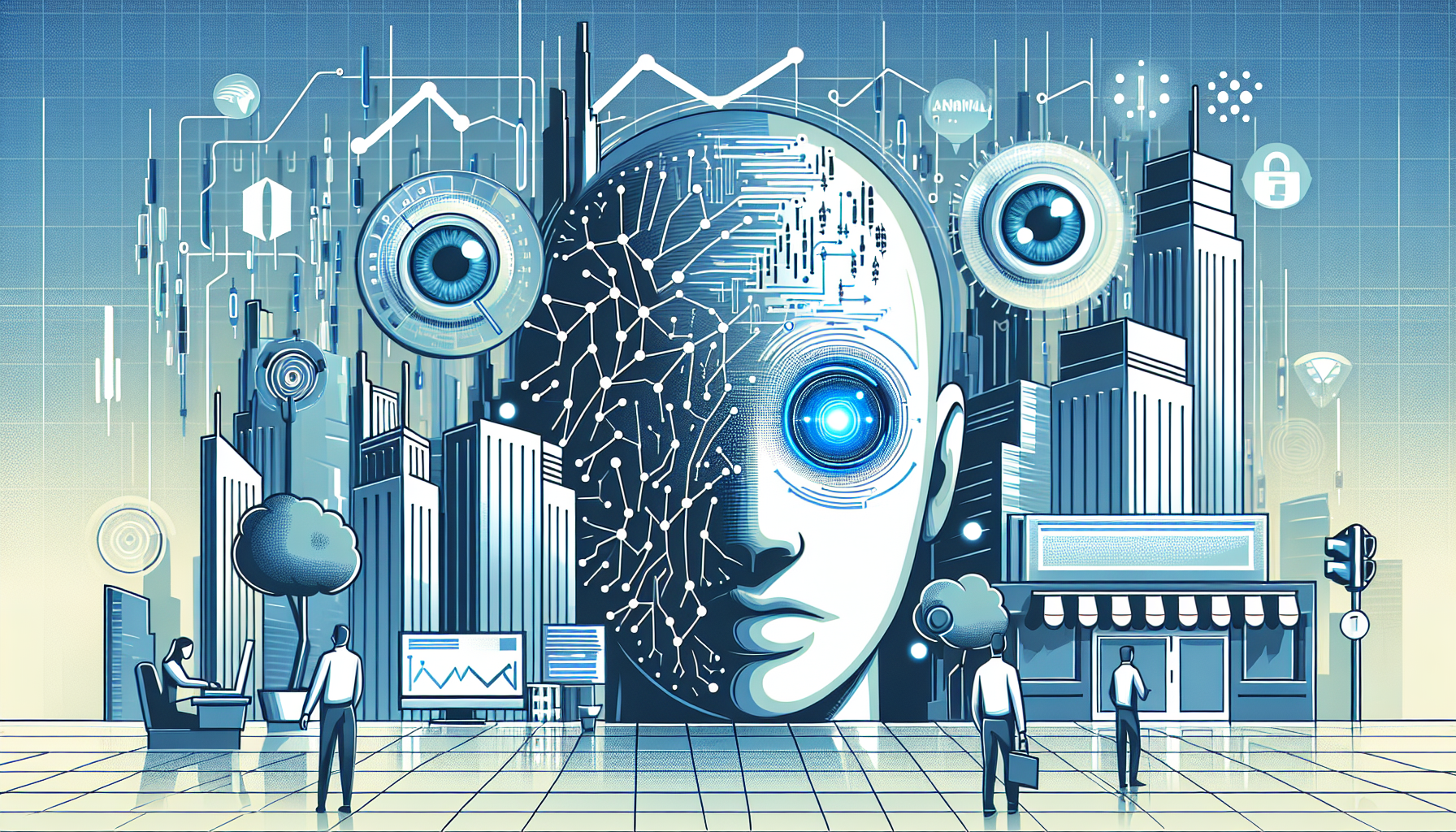
Understanding AI Hallucinations: The Next Frontier in AI Development
As artificial intelligence continues to evolve, a new phenomenon known as "AI hallucinations" is gaining traction in the tech community. This term refers to instances where AI systems generate outputs that are not grounded in reality, leading to potentially misleading or erroneous information. With a current search volume of 700 and a predicted surge to 3,500 in just 30 days, the interest in AI hallucinations is set to explode, driven by recent developments in the AI landscape.
The Current Landscape of AI Development
Recent news highlights several key trends in the AI sector that are contributing to the growing focus on AI hallucinations. Notably, the ongoing AI Code Wars have intensified competition among tech giants and startups alike. Companies are racing to develop more sophisticated AI models that can outperform their rivals, leading to rapid advancements but also increasing the likelihood of hallucinations as systems become more complex.
For instance, OpenAI and Google DeepMind are at the forefront of this battle, pushing the boundaries of what AI can achieve. However, as these models become more powerful, the risk of generating inaccurate or nonsensical outputs also escalates. This has raised concerns among developers and users alike, prompting discussions about the reliability and safety of AI technologies.
Recent Developments and Funding Trends
In the realm of AI, funding rounds are a crucial indicator of market confidence and future potential. More information: startup markets. Recently, several startups have secured significant investments aimed at addressing the challenges posed by AI hallucinations. For example, Anthropic, a company focused on AI safety, recently raised $580 million in a funding round led by Sam Bankman-Fried's trading firm. This influx of capital is expected to accelerate the development of AI systems that prioritize accuracy and reliability, potentially mitigating the risks associated with hallucinations.
Moreover, the trend towards On-Device AI Inference is gaining momentum, allowing AI models to operate locally on devices rather than relying solely on cloud computing. This shift not only enhances privacy but also reduces the chances of hallucinations by limiting the data sources and contexts that the AI can draw from.
Competitive Intelligence and Market Analysis
The competitive landscape is rapidly changing, with startups emerging to fill gaps left by established players. See our comprehensive report for more details. Companies focusing on AI hallucinations are likely to gain a competitive edge as they address a pressing concern for users and developers. The current market analysis indicates a growing demand for solutions that enhance the reliability of AI outputs, creating opportunities for startups to innovate.
- AI Safety Startups: Companies like Stability AI are focusing on developing models that minimize hallucinations, positioning themselves as leaders in AI safety.
- Investment in Research: Venture capitalists are increasingly interested in funding research that explores the underlying causes of AI hallucinations and how to mitigate them.
- Partnerships and Collaborations: Collaborations between tech companies and academic institutions are becoming more common, aimed at developing robust frameworks for AI reliability.
Future Predictions: The Trajectory of AI Hallucinations
Looking ahead, the trend of AI hallucinations is expected to evolve significantly. With a confidence level of 82% in the predicted volume increase, we can anticipate several key developments: Learn more from industry experts at Financial Times reports.
- Enhanced Regulatory Frameworks: As AI systems become more integrated into daily life, regulatory bodies will likely impose stricter guidelines to ensure the accuracy and reliability of AI outputs.
- Increased Public Awareness: As discussions around AI hallucinations gain traction, public awareness will rise, leading to greater scrutiny of AI technologies and their applications.
- Technological Innovations: New methodologies and technologies will emerge to combat hallucinations, including improved training datasets and advanced algorithms that prioritize factual accuracy.
Actionable Recommendations for Startup Leaders
For startup leaders navigating this rapidly changing landscape, several actionable strategies can be employed to capitalize on the trend of AI hallucinations: For authoritative information, consult according to Reuters.
- Invest in Research and Development: Allocate resources towards understanding and mitigating AI hallucinations. This could involve hiring experts in AI safety and ethics.
- Focus on Transparency: Build trust with users by being transparent about the limitations of your AI systems and the measures taken to address hallucinations.
- Engage with the Community: Participate in forums and discussions about AI safety to position your startup as a thought leader in the field.
- Leverage Data Analytics: Utilize data analytics to monitor AI outputs and identify patterns of hallucinations, enabling proactive adjustments to your models.
Conclusion
The phenomenon of AI hallucinations is set to become a focal point in the AI industry, driven by competitive pressures and the need for reliable technology. As startups and established companies alike navigate this landscape, those who prioritize accuracy and transparency will likely emerge as leaders. By understanding the current trends and investing in innovative solutions, businesses can not only mitigate the risks associated with AI hallucinations but also position themselves for future success in the evolving market. For authoritative information, consult Bloomberg reports.